What The Queen taught British-LatAm professionals
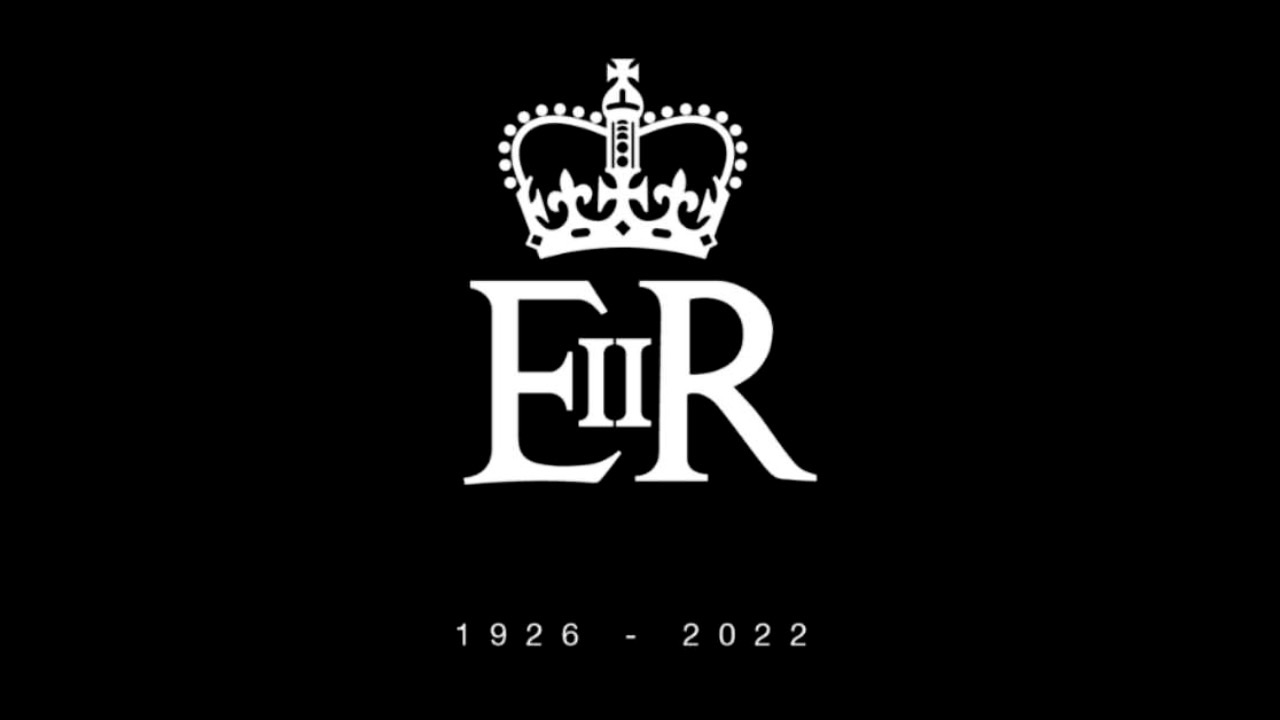
On the day Her Late Majesty Queen Elizabeth II was laid to rest after seventy years of service, the tributes rightly focused on her dedication, her steadiness, and her remarkable ability to hold relationships across cultures and continents. What was discussed less — but deserves more attention — is how much of what made her effective was not protocol, not status, and not language. It was an instinctive command of the very things that determine whether a professional interaction builds something or quietly wastes an opportunity.
Three of those things apply directly to anyone working across the British-LatAm divide.
One: Service is a strategic orientation, not a soft skill.
Queen Elizabeth II famously pledged, at twenty-one, that her life would be devoted to the service of her people. Setting aside the scale of that commitment, the underlying orientation — that it is not about you, it is about them — is one of the most underrated assets in British-LatAm professional life.
In Slot System™ terms, this means showing up prepared: knowing who is in the room, what they need from the interaction, and how to structure your contribution so it lands rather than just transmits. In Flow System™ terms, it means staying attuned throughout — reading how the dynamic is shifting, adjusting in real time, keeping the other person's experience at the centre of your attention.
The professionals who build the strongest British-LatAm relationships are rarely the most impressive in the room. They are the most useful.
Two: Poise and neutrality are active choices, not passive defaults.
Throughout decades of change, controversy, and complexity, The Queen maintained a public composure that was never cold; it was considered. There is an important distinction. She was not absent from the room. She was present without tipping the scales.
In cross-cultural professional settings, this quality is rarer and more valuable than most people realise. British-LatAm interactions are full of moments where the temptation to react — to the miscommunication, the different pace, the unexpected register — is entirely understandable and almost always counterproductive.
Holding your poise when the room feels misaligned is a Slot discipline: it requires a decision made in advance, not improvised under pressure. Expressing it in a way that reads as warmth rather than detachment — so that your counterpart does not experience your steadiness as distance — is the Flow dimension. Both matter. Either alone is incomplete.
Three: The small things are doing the most work.
Much was written, in the days after her passing, about The Queen's soft power: the brooch chosen to signal solidarity, the local flower added to an arrangement, the detail that told a visiting dignitary they had been seen and considered. None of it was accidental. None of it was large.
This is precisely how trust compounds in British-LatAm professional life. Not through grand gestures, but through accumulated small signals that tell the other person, in whichever system they operate, that you have done the work of understanding them.
Words make up only a small fragment of what you communicate. The remaining part is being read continuously, by both sides, whether you are attending to it or not. The professionals who learn to attend to it, those who understand that the right detail at the right moment can hold a relationship together across every other friction point, are the ones who do not go home empty-handed.
Quick wit and a degree of cheekiness, incidentally, are also entirely compatible with the most serious of professional environments. The Queen knew this too.
FROM THE DESK OF CECILIA
See the friction as it happens
Get The Friction Dispatch in your inbox every Tuesday and a Desk summary every Saturday.
Free account. Read by diplomats and executives. Unsubscribe any time.