Slots v. Loops™ & The Lasso Way
Ted Lasso is back, and I won't pretend I’m not delighted.
I remember watching the previous seasons and recognising my own work as a diplomatic interpreter in Ted’s approach to Total Football: constant movement, no set positions, everyone covering for everyone else. His style of play, broken into the four maxims below, is part of what came to be known as The Lasso Way:
- Conditioning
- Versatility
- Awareness
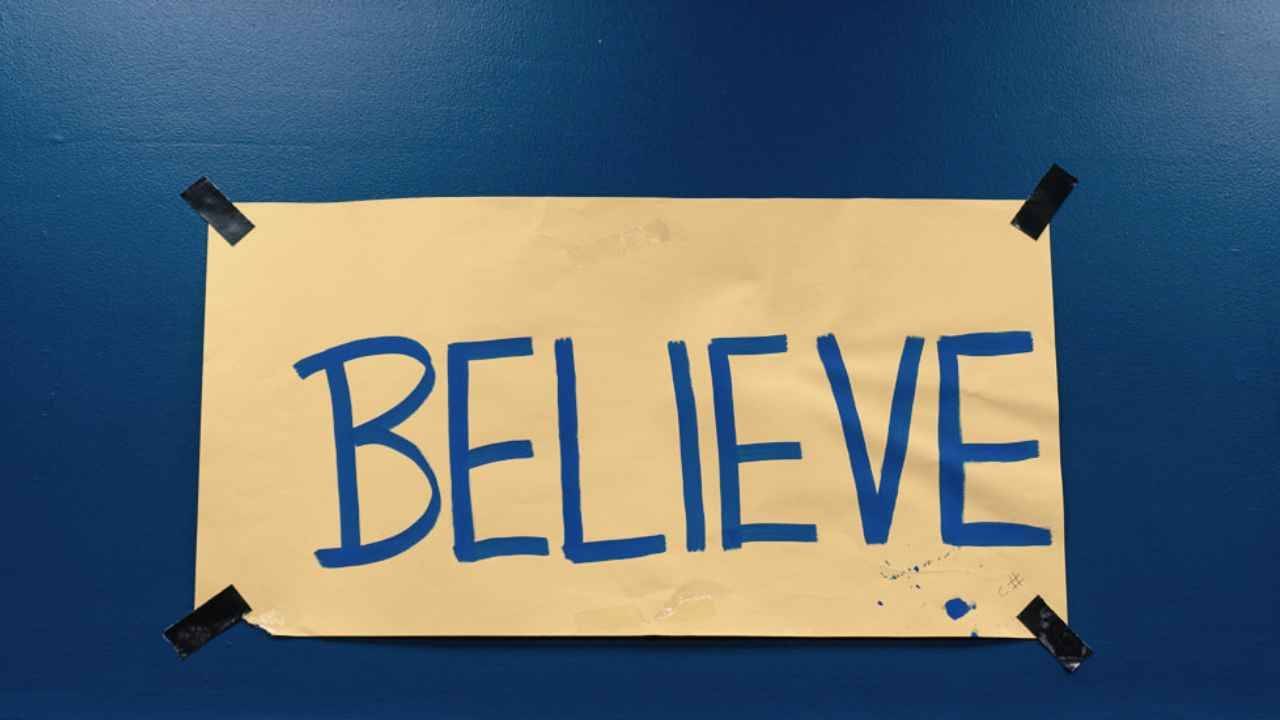
- Belief
No, I haven’t gone mad. I truly believe The Lasso Way is The DiploTerp™ Way.
Diplomatic interpreting has no booth glass barrier to keep interpreters separate ‘from the action’, no fixed schedule, no script. It takes place in highly regulated official settings as much as it does in the room, in the car, at the lunch table, or in the margins of a bilateral where the real conversation often happens over coffee before the actual meeting begins. Nothing about it can be standardised, predicted, or solved in advance, which means the skills that keep diplomatic interpreters upright are the same four things Ted asks of his team.
1- Conditioning
'You all have to get in better shape,' Ted tells them. Likewise, interpreters need to be in good shape and master every interpreting mode: simultaneous, consecutive, whispered, first-sight, and the improvised kind nobody names in textbooks but that I informally call face-saving interpreting, accent-downloading, and goat-scaping interpreting. But the conditioning diplomatic interpreters get tested most is stamina. Long meetings. Panel discussions that overrun by an hour. Standing behind our principal through a ten-minute receiving line that stretches to forty. Lunches that turn into negotiations because someone decided the dessert course was the moment to raise the tariff question. Morning events that get pushed to the afternoon. And delayed flights that land way past midnight. We train for the day, the whole day, whatever shape it takes.
2- Versatility
Ted's instruction is to ask what the situation needs right now and jump in accordingly. In diplomacy, no two days are the same. One morning is a bilateral meeting, the afternoon a roundtable, and the evening a networking dinner where we're reading body language as much as translating words. The next day we're in the booth for a keynote, then at lunch doing face-saving interpreting (the principal understands the other language perfectly well, but simply prefers not to be heard speaking it), then back in for a negotiation where every word carries weight and our services are employed to translate these words as much as to give our principals a little extra time to think between arguments. No matter what, we stay in our position on the pitch. What changes, constantly, is what that position has to deliver, right down to what we wear so we make our principals look good while blending into the room rather than standing out in it.
3- Awareness
'You have to know what your team members are doing at all times,' Ted says. 'Constant movement requires constant concentration.' Diplomatic rooms move constantly, some of them choreographed by protocol, plenty of them not. Diplomatic interpreters need to track who's in the room and why. Where the cameras sit, so we stay out of shot. How the security detail operates, so we’re by our principal’s side while out of the detail’s way. Where our chair and much-needed water glass are, so we don't collapse due to tiredness or dehydration. Which door our principal will leave through, so we're already there when they reach it. This is all part of the job; in the same way peripheral vision is the job for any self-respecting midfielder.
4- Believe
In Season 3’s amazing last episode, Ted admits he has no idea what's going to happen in the second half of the team's final match. Nobody does. That's what makes it worth playing. Diplomatic interpreting resists the standardisation that conference or court interpreting allows, because the settings are as varied as the people in the room and the historical, political, economic, and societal circumstances that surround them. That unpredictability is exactly what makes it fascinating, and exactly why we, diplomatic interpreters, charge what we do. So, we prepare for as many eventualities as we can, build enough real trust with our principal's team that ‘working together’ means something, and go out and give all we have. At the end of the day, that's the key to our success: doing our best and trusting it was enough.
Here's my conviction. Most people assume interpreting is fluency: two languages, a swap of words, done. That's the version tourists imagine. That’s what Google Translate gives you. What diplomatic interpreting actually asks for is what Ted describes from the touchline: conditioning, versatility, awareness, and belief, applied in real time, with no fixed position, no script to fall back on, and no safety net. Having good interpreting skills gets us through the door. Staying in the room, holding the trust of the people in it, reading what they need before they say it: that takes the other three.
I see the same gap play out across inter-Cultural Intelligence (iCQ) work too. The words are rarely the hard part. The rest is The DiploTerp Blueprint™, Slots v. Loops™, or in Ted's world... barbecue sauce.
FROM THE DESK OF CECILIA
See the friction as it happens
Get The Friction Dispatch in your inbox every Tuesday and a Desk summary every Saturday.
Free account. Read by diplomats and executives. Unsubscribe any time.