Square peg, round slot
'To know another's language and not his culture is a very good way to make a fluent fool of one's self.' ~ Winston Brembeck
I've watched hundreds of Latin American delegations come all the way to the UK only to go home empty-handed. And I've watched just as many British hosts pull out all the stops, only to see the effort go to waste.
I blame the language.
Latin Americans used to dealing with the United States assume that speaking English makes their experience just as valid in the United Kingdom. So they go dashed line (the US logic of one low-context situation after another) when the UK runs on The Slot System™.
And Brits hear their visitors speak English and assume it's their English. Usually, it's Globish, with a strong dose of Latin American and American thrown in.
A typical delegation is made up of 10 to 15 people, of whom only 2 or 3 truly need my interpreting. Most can handle English on their own and come to me when the accent, the speed or the jet lag gets the better of them. And there are always 3 or 4 who are fluent English speakers. They've worked or studied in the US, or they've done enough business overseas to consider themselves seasoned globetrotters, and so they start Monday morning proud of not needing me.
Little do they know interpreting is a small fraction of what I do. So I let them be and start the clock. Between us, I run a private sweepstake on how long it'll take each of them to come and ask me what's going on: why they're less effective than usual when they're speaking the language, or why they can't seem to get through to their British hosts.
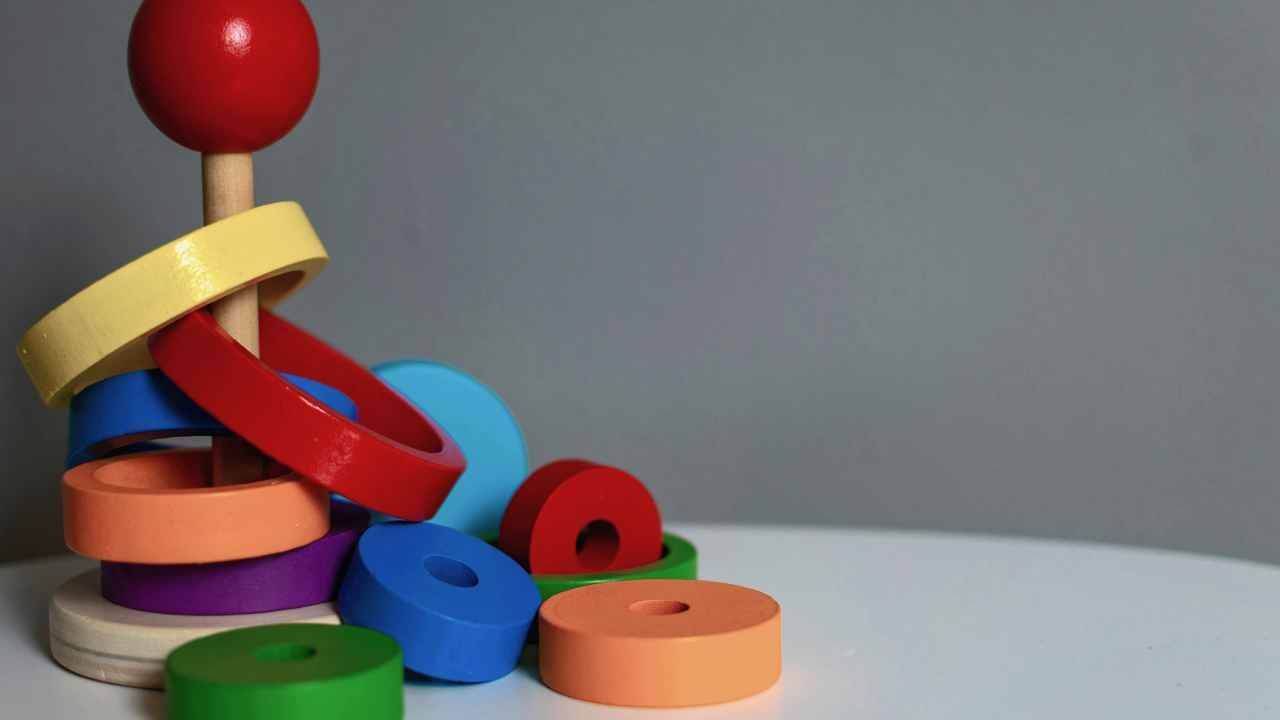
Well, that's because they packed the language and left the culture at home. In plain English, they're trying to fit a square peg into a round hole. Or, better still, a dash into a slot.
Here's what trips them up. The way into a British meeting looks American. The email invitation, the agenda, the start time, the end time, the list of who'll be there… It's all explicit and it's all familiar. So my fluent English-speaking delegates relax. They think they know how this goes.
Then the door closes, and the rules go quiet. Inside the Slot, meaning lives in what goes unsaid. The biscuits stay on the side table with the tea; 'Would you mind sending that across by Monday?' is a deadline dressed up as a favour; and the walk to the lift is no longer part of the meeting.
Time and again, my fluent English-speaking delegates hear every word and miss the message. Their hosts, meanwhile, assume it landed, because the English came back so well. Both sides leave convinced they understood each other.
That's Brembeck's fluent fool in action. And it happens to smart, well-travelled people, precisely because a shared language, no matter how fluently spoken, hides two very different systems.
The record, by the way, is Monday lunchtime. The longest holdout made it to the executive dinner on Wednesday.
If you're visiting, treat the explicit part as the doorway and prepare for what's behind it.
If you're hosting, take fluent English as your cue to spell out what you'd normally leave implied. Your guests will thank you. Probably on WhatsApp.
Whichever side of the table you're on, start with the systems. Learn to speak Slots v. Loops™.
FROM THE DESK OF CECILIA
Read the friction as it happens
Get The Friction Dispatch in your inbox every Tuesday and a Desk summary every Saturday.
Read by diplomats and executives. Unsubscribe any time.